
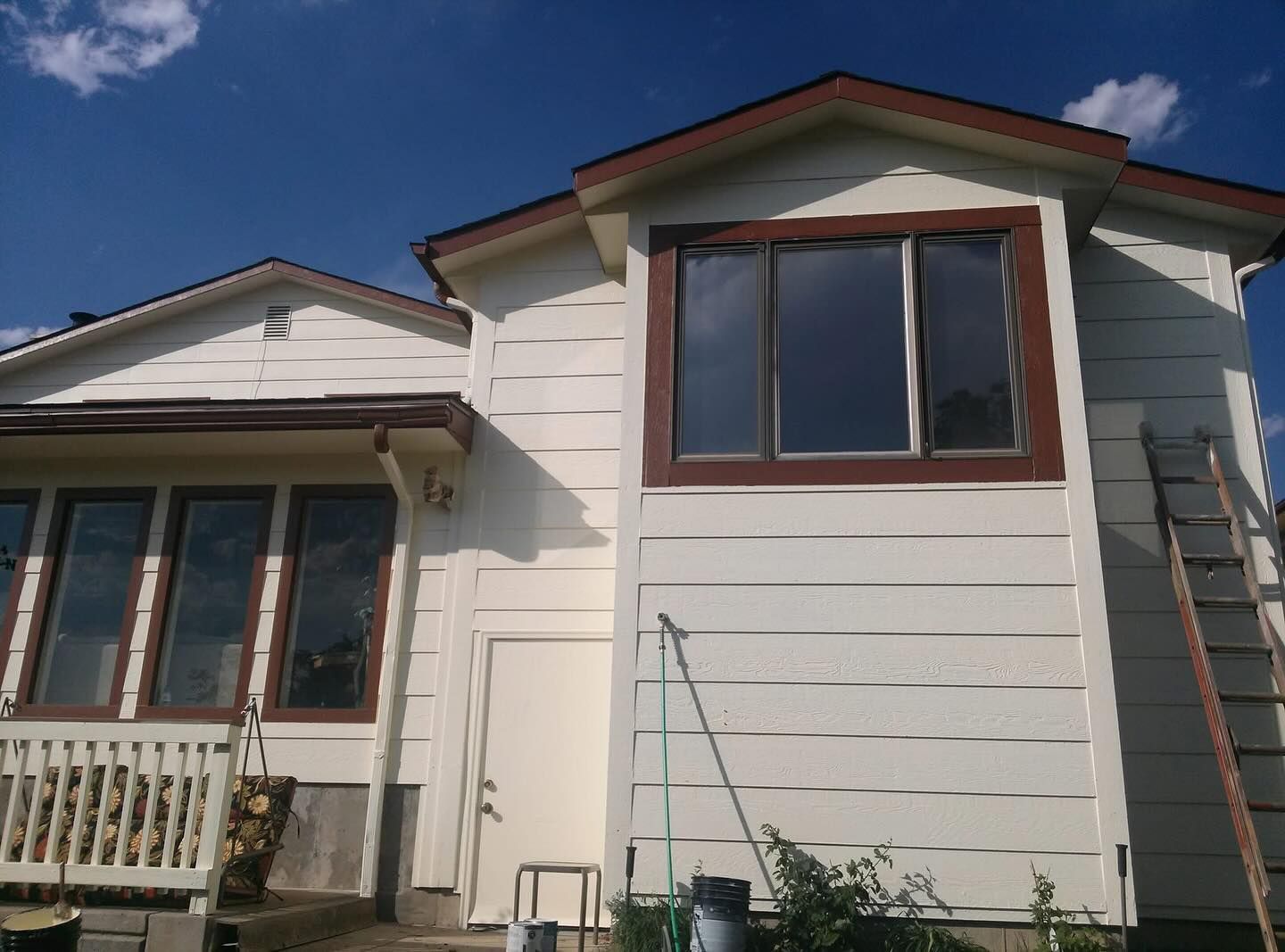
Scoping Smart Painting Projects for Homes and Workplaces
Across the painting company landscape, owners and facility managers benefit from structuring projects with a clear scope. Begin by defining which surfaces will be addressed, from interior walls to exterior envelopes, and what level of prep is acceptable. Assess risks like moisture or peeling, and document constraints such as occupancy schedules. This upfront clarity reduces change orders, helps align expectations, and sets a baseline for quality without locking you into rigid, inflexible plans.
Beyond that, materials selection deserves deliberate attention. Different substrates demand distinct coatings, primers, and repair products, especially when moving between interior painting and exterior painting. Verify compatibility using product data sheets and warranty terms, and ensure sheen choices match maintenance goals. A durable satin may suit busy corridors, while a matte can calm living rooms. Calibrate choices to sunlight exposure, cleaning frequency, and the substrate’s texture to avoid costly rework.
In practice, timing and seasonal windows influence durability as much as product choice. Exterior tasks perform best when humidity and temperature ranges are stable, while interior work can proceed year-round with proper ventilation. Sequence phases to buffer for drying and curing, and plan staging so trades do not overlap destructively. This approach minimizes touch-ups and keeps the project on track even if weather shifts or access needs change midstream.
However, surface preparation often decides outcomes more than any premium coating. Inspect for chalking, efflorescence, hairline cracks, or loose fasteners, and refine the prep plan accordingly. For stucco painting & repair, hairline cracking might need elastomeric patching, whereas wood siding may require spot-priming and sanding. Validate adhesion with small test spots before full application. Thoughtful prep creates a uniform canvas that accepts finish coats consistently and looks correct under changing light.
Meanwhile, workflow design reduces disruption in occupied spaces. Phase rooms so occupants retain usable areas, and maintain clean paths for movement. Protect floors and fixtures meticulously to avoid secondary cleanup. For commercial painting, define quiet hours, odor management, and signage for safety. Document daily start and stop points with photos and punch notes. These process details uphold productivity while preserving trust with tenants, staff, or families sharing the space.
Often, budget realism comes from breaking the work into logical packages. Separate high-priority repairs from elective upgrades like accent walls or trim refinishing. Then validate quantities and production rates against sample areas, not guesses. Transparent alternates help you pivot if hidden issues appear, like failing caulk or rotted trim that triggers siding replacement. Right-sizing the scope preserves momentum and keeps funding aligned with the condition of the property.
Then, consider lifecycle thinking rather than single-event outcomes. Choose systems that balance upfront cost with maintenance intervals, especially for sun-exposed elevations and high-traffic interiors. Deck & log home staining may need more frequent renewal, while masonry coatings could stretch longer cycles. Maintain a simple log of products, colors, and dates, so future touch-ups are consistent. A small documentation habit protects continuity across different teams over time.
Next, risk management should extend to access and safety. Inspect ladders, lifts, and anchors, and stage protective barriers in advance. Validate that insurance and permits cover the planned methods. For exterior painting on tall elevations, confirm fall protection plans and weather thresholds. Indoors, address ventilation for low-odor performance where possible. A measured safety posture reduces delays and sustains quality by letting applicators focus on craftsmanship instead of improvisation.
Similarly, regional conditions shape substrate strategy. Arid climates with intense UV can age coatings faster, while freeze-thaw cycles stress stucco assemblies. When planning stucco painting in Colorado Springs, evaluate vapor permeability, hairline movement, and sealant joints around penetrations. Inspect gutters and splashback zones that accelerate wear. Selecting primers and finish coats with compatible elasticity helps the envelope tolerate seasonal shifts and keeps textures visually consistent longer.
Finally, wrap projects with structured closeout. Punch-list by room or elevation, and address edge cases like back-of-door spots or hardware shadows. Align on final color records, leftover materials, and touch-up guidance. Schedule the first maintenance inspection window and set reminders. This disciplined handoff ensures the finish continues to perform, supports future improvements, and makes the next project simpler, whether it’s interiors, exteriors, or specialized surfaces.